Impermanent Loss क्या है? Liquidity Pool और LP Risk समझें

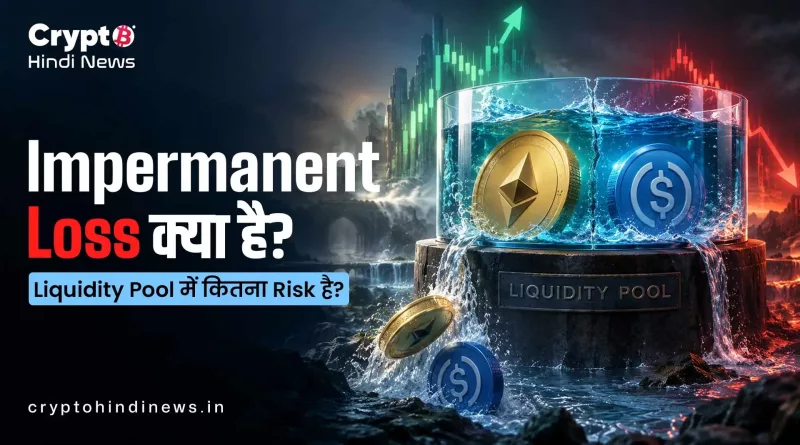
Impermanent Loss क्या है? से जुड़ी अहम जानकारी इस लेख में दी गई है। Crypto और DeFi में Impermanent Loss (IL) समझना जरूरी है, खासकर तब जब आप Liquidity Pool में Crypto assets deposit करके Liquidity Provider (LP) बनना चाहते हैं।
Liquidity Pool से Trading Fees और कुछ protocols में Rewards मिल सकते हैं। लेकिन high APY/APR guaranteed profit नहीं होता। अगर pool में मौजूद assets की relative prices बदलती हैं, तो आपकी LP position उन्हीं assets को केवल hold करने की तुलना में कम perform कर सकती है।
इसी relative performance difference को Impermanent Loss कहा जाता है।
Quick Answer: Impermanent Loss वह relative difference है जो Liquidity Pool में assets रखने और उन्हीं assets को केवल hold करने के बीच price ratio बदलने पर पैदा हो सकता है। यह सीधे आपके पूरे investment के loss के बराबर नहीं होता।
सरल framework:
Net LP Outcome = Fees + Rewards − Impermanent Loss − Gas/अन्य Costs
इसलिए किसी Liquidity Pool का APY देखने से पहले IL risk, trading volume, fees, token volatility, liquidity, smart-contract risk और अन्य costs समझना जरूरी है।
Crypto में Impermanent Loss क्या है?
Impermanent Loss DeFi और Automated Market Maker (AMM) आधारित Liquidity Pools से जुड़ा प्रमुख risk है।
जब कोई user दो Crypto assets को Liquidity Pool में deposit करता है, तो वह Liquidity Provider (LP) बन जाता है। Traders जब pool से tokens swap करते हैं, तो pool में दोनों assets की quantity और ratio बदलता रहता है।
अगर दोनों assets की relative price में बड़ा बदलाव आता है, तो LP position की value उस स्थिति से कम हो सकती है जिसमें वही assets केवल wallet में hold किए गए होते।
इसी difference को Impermanent Loss कहा जाता है।
ध्यान रखें:
IL को मूल निवेश का सीधा loss नहीं, बल्कि LP position और comparable HODL position के बीच relative difference समझना चाहिए।
Crypto → DeFi → DEX → AMM → Liquidity Pool का Connection
Impermanent Loss को समझने के लिए यह पूरा connection याद रखें:
Crypto → DeFi → DEX → AMM → Liquidity Pool → Liquidity Provider → Fees/Rewards
और इसके साथ:
Relative Price Change → Impermanent Loss Risk
DeFi
DeFi यानी Decentralized Finance blockchain-based financial applications का ecosystem है। इसमें trading, lending, borrowing और liquidity providing जैसी activities हो सकती हैं।
DEX
DEX यानी Decentralized Exchange blockchain-based trading system है जहाँ users decentralized protocols के माध्यम से Crypto tokens swap कर सकते हैं।
AMM
AMM यानी Automated Market Maker liquidity pools और mathematical rules की मदद से token swaps को facilitate करता है। Uniswap इसका प्रमुख उदाहरण है।
Liquidity Pool
Liquidity Pool एक smart-contract based pool है जिसमें users Crypto assets deposit करते हैं ताकि traders उन assets को swap कर सकें।
Liquidity Provider
जो user Liquidity Pool में assets deposit करता है, वह Liquidity Provider या LP कहलाता है।
इसलिए सरल भाषा में:
HODL में आप assets को hold करते हैं; LP में आप उन्हीं assets को trading liquidity देते हैं। LP बनने पर fees/rewards मिल सकते हैं, लेकिन relative price movement के कारण IL risk आता है।
AMM में Impermanent Loss कैसे होता है?
मान लीजिए किसी ETH/USDT Liquidity Pool में ETH और USDT जमा हैं।
अगर market में ETH की कीमत तेजी से बढ़ती है, तो arbitrage traders pool के साथ trade करते हैं। इस trading के कारण:
Pool से ETH कम हो सकता है।
Pool में USDT बढ़ सकता है।
ETH/USDT ratio बदल सकता है।
LP के पास शुरुआत की तुलना में कम ETH और ज्यादा USDT हो सकता है।
अगर ETH की कीमत गिरती है, तब भी pool का ratio बदल सकता है।
इसलिए मुख्य बात यह है:
Impermanent Loss केवल price गिरने से नहीं होता। इसका मुख्य driver दोनों assets के बीच relative price change है।
HODL बनाम Liquidity Pool
IL को समझने का सबसे आसान तरीका HODL vs LP comparison है।
Correlated assets में IL कुछ परिस्थितियों में कम हो सकता है, जबकि highly volatile और unrelated pairs में IL risk अधिक हो सकता है।
लेकिन:
कम IL का मतलब zero risk नहीं है।
“Impermanent” Loss क्यों कहा जाता है?
इसे Impermanent Loss इसलिए कहा जाता है क्योंकि अगर assets की relative price शुरुआती ratio के करीब वापस आ जाए, तो theoretical LP-HODL difference कम हो सकता है।
लेकिन इसका अर्थ यह नहीं है कि loss हमेशा अपने-आप खत्म हो जाएगा।
अगर आप liquidity उस समय withdraw करते हैं जब price ratio काफी बदल चुका है, तो उस समय की LP composition आपके final result को प्रभावित करेगी।
इसलिए:
Impermanent का मतलब guaranteed temporary loss नहीं है।
ETH/USDT Impermanent Loss का Numerical Example
मान लीजिए आपने एक standard constant-product ETH/USDT pool में:
₹50,000 का ETH
₹50,000 का USDT
deposit किया।
कुल शुरुआती liquidity:
₹1,00,000
मान लेते हैं:
1 ETH = ₹2,50,000
इसलिए ₹50,000 में:
0.20 ETH
मिलेगा।
अब ETH की कीमत 2x होकर:
1 ETH = ₹5,00,000
हो जाती है।
अगर आपने HODL किया होता
0.20 ETH की value:
0.20 × ₹5,00,000 = ₹1,00,000
इसके साथ ₹50,000 USDT होते।
HODL Value = ₹1,50,000
अगर वही assets Liquidity Pool में होते
Standard constant-product model में pool नए price ratio के अनुसार rebalance होता है।
इस simplified example में नई LP composition लगभग:
0.1414 ETH + 70,710.68 USDT
हो सकती है।
ETH की value:
≈ ₹70,710.68
USDT:
≈ ₹70,710.68
इसलिए:
LP Value ≈ ₹1,41,421
तुलना:
इस simplified model में LP position HODL से लगभग 5.72% पीछे है।
यही Theoretical Impermanent Loss है।
लेकिन ₹8,579 को सीधे “investment loss” कहना सही नहीं है। यह मुख्य रूप से LP बनाम HODL difference है।
अगर इस दौरान LP ने trading fees और rewards कमाए हैं, तो actual net result अलग हो सकता है।
2x, 3x और 5x Price Change पर IL
Standard constant-product model में theoretical IL relative price change के आधार पर लगभग:
उदाहरण के लिए 2x price change पर 5.72% IL का अर्थ यह नहीं है कि आपकी पूरी investment 5.72% गिर गई।
यह LP position के HODL से relative difference को दर्शाता है।
Actual result पर fees, rewards, gas, price path और pool design भी असर डालते हैं।
Impermanent Loss Formula
Standard constant-product model में commonly used formula:
IL = 2√r / (1 + r) − 1
जहाँ:
r = नई relative price / शुरुआती relative price
उदाहरण:
r = 2 → IL ≈ -5.72%
r = 4 → IL ≈ -20%
यह formula standard constant-product assumptions के लिए है। इसे हर AMM या Concentrated Liquidity design पर सीधे लागू नहीं करना चाहिए।
Impermanent Loss Calculator
IL Calculator theoretical IL estimate करने में मदद करता है, लेकिन इसे final profit calculator नहीं समझना चाहिए।
Calculation करते समय देखें:
Initial asset prices
Current asset prices
Relative price change
Initial pool ratio
AMM model
Fees
Rewards
Gas costs
Concentrated liquidity range
Practical calculation:
Net LP Outcome = Fees + Rewards − IL − Costs
यानी सवाल केवल यह नहीं होना चाहिए कि Crypto कितना बढ़ा या गिरा।
सवाल होना चाहिए:
Relative price change के बाद मेरी LP position HODL की तुलना में कैसी रह सकती है?
क्या Crypto की कीमत बढ़ने पर भी IL हो सकता है?
हाँ।
अगर ETH तेजी से बढ़ता है और USDT लगभग स्थिर रहता है, तो ETH/USDT का relative price बदलता है। Traders pool से ETH खरीद सकते हैं और pool में ETH की मात्रा कम हो सकती है।
इसलिए:
Crypto Price Increase ≠ LP हमेशा HODL से बेहतर
इसी कारण LP strategy का मूल्यांकन केवल asset की price performance देखकर नहीं करना चाहिए।
Trading Fees क्या IL को Cover कर सकती हैं?
कुछ परिस्थितियों में हाँ।
मान लीजिए:
Theoretical IL = ₹5,000
और:
Fees + Rewards = ₹8,000
तो अन्य costs को छोड़कर net outcome positive हो सकता है।
लेकिन अगर:
IL = ₹10,000
और:
Fees + Rewards = ₹4,000
तो net outcome negative हो सकता है।
इसलिए केवल APY देखना पर्याप्त नहीं है।
Net LP Return = Fees + Rewards − IL − Gas − अन्य Costs
APY और APR का सही मतलब
DeFi protocols अक्सर APR/APY दिखाते हैं। लेकिन advertised yield अलग-अलग sources से आ सकती है।
Trading Fees
Pool में वास्तविक trading activity से fees generate हो सकती हैं।
Incentive Rewards
Protocol अतिरिक्त tokens दे सकता है।
Token Emissions
कुछ high-yield pools में reward नए incentive tokens के रूप में मिलता है।
इसलिए:
High APY = Guaranteed Profit नहीं।
अगर reward token की price गिर जाए, trading volume कम हो जाए या IL बढ़ जाए, तो actual return काफी कम हो सकता है।
Stablecoin और Correlated Pools
Stablecoin pairs में assets की relative price movement सामान्य volatile Crypto pairs की तुलना में कम हो सकती है। इसलिए कुछ stablecoin pools में traditional volatile pairs की तुलना में IL कम हो सकता है।
लेकिन:
Stablecoin Pool = Risk-Free नहीं
इनमें:
Depeg risk
Smart-contract risk
Protocol risk
Liquidity risk
Issuer/counterparty-related risk
हो सकते हैं।
इसी तरह कुछ Crypto assets सामान्य परिस्थितियों में एक-दूसरे के साथ move करते हैं। ऐसे correlated pairs में IL कम हो सकता है।
लेकिन:
Past correlation future guarantee नहीं है।
Market stress में correlated assets भी अलग-अलग direction में जा सकते हैं।
Concentrated Liquidity और Out-of-Range Risk
कुछ modern AMMs में LP अपनी liquidity को चुनी हुई price range में allocate कर सकता है। इसे Concentrated Liquidity कहा जाता है।
इससे capital efficiency बढ़ सकती है, लेकिन position management अधिक complex हो जाता है।
अगर market price आपकी selected range से बाहर चली जाती है, तो protocol के design के अनुसार liquidity की composition और fee earning प्रभावित हो सकती है।
इसलिए concentrated liquidity में देखें:
Current price
Selected range
Volatility
Fee tier
Trading volume
Rebalancing requirement
Gas cost
Fee Tier
अलग-अलग pools में अलग fee tiers हो सकते हैं। अधिक fee tier देखकर ही pool चुनना सही नहीं है।
साथ में देखें:
Trading Volume + Fee Revenue + Volatility + IL Risk + Liquidity + Price Range
याद रखें:
Higher Fee ≠ Automatically Higher Net Return
Impermanent Loss Risk कैसे Manage करें?
IL को पूरी तरह खत्म करने का कोई universal तरीका नहीं है, लेकिन risk manage किया जा सकता है।
1. Correlated Pairs पर विचार करें
ऐसे assets जिनकी relative prices सामान्य परिस्थितियों में कम अलग होती हैं, उनमें IL कम हो सकता है।
2. Stablecoin Pools समझें
Relative price movement कम हो सकती है, लेकिन depeg और protocol risk देखें।
3. Trading Volume देखें
Volume fees generation में मदद कर सकता है।
लेकिन:
High Volume = Guaranteed Profit नहीं।
4. APY का Source देखें
पता करें कि yield trading fees से आती है या incentive tokens से।
5. छोटी राशि से शुरुआत करें
Unfamiliar protocol में mechanism और risks समझने के बाद exposure बढ़ाना अधिक practical हो सकता है।
6. Concentrated Range समझें
Range-based LP में price range और rebalancing बहुत महत्वपूर्ण हैं।
7. Smart Contract Risk देखें
Documentation, audits और historical security incidents जैसे factors देखें।
Liquidity Pool के दूसरे Risks
Impermanent Loss अकेला risk नहीं है।
इसलिए Liquidity Pool को केवल “yield product” की तरह देखना सही नहीं है।
Impermanent Loss और Market Loss में अंतर
Market Loss
अगर आपने ETH खरीदा और ETH की market price गिर गई, तो आपकी ETH holding की market value कम हो सकती है।
Impermanent Loss
अगर आपने ETH और USDT को Liquidity Pool में रखा और price ratio बदलने के कारण LP position की performance उन्हीं assets को hold करने से कम रही, तो यह Impermanent Loss है।
इसलिए:
Market Loss और Impermanent Loss एक ही चीज नहीं हैं।
एक LP position में दोनों effects एक साथ हो सकते हैं।
क्या Impermanent Loss हमेशा होता है?
नहीं।
अगर assets की relative prices में बहुत कम बदलाव होता है, तो theoretical IL भी कम हो सकता है।
अगर relative price ratio शुरुआती level के करीब वापस आता है, तो theoretical IL कम हो सकता है।
लेकिन fees, rewards, gas और अन्य costs अलग प्रभाव डाल सकते हैं।
इसलिए:
Impermanent का अर्थ guaranteed temporary loss नहीं है।
भारत में Liquidity Pool और Crypto Tax
Liquidity Pool में deposit, withdrawal, swap, rewards और incentive tokens जैसी अलग-अलग activities हो सकती हैं। इनका tax treatment हर परिस्थिति में एक जैसा मानना सही नहीं है।
Income Tax Department की current guidance के अनुसार VDA gains पर 30% tax, applicable surcharge और 4% cess का framework है। VDA reporting में Schedule VDA transaction-level information के लिए महत्वपूर्ण है।
इसलिए अलग-अलग transaction types का record अलग रखें:
Complex या बड़े transactions के लिए qualified tax professional से सलाह लेना उचित है।
HODL या Liquidity Pool — कौन बेहतर?
इसका कोई universal answer नहीं है।
अगर उद्देश्य केवल Crypto को long-term hold करना है, तो Liquidity Pool जरूरी नहीं कि बेहतर strategy हो।
LP में:
Asset Exposure + Fees + Rewards − IL − Costs − Protocol Risks
जबकि HODL में मुख्य रूप से:
Asset Price Exposure
होता है।
इसलिए पहले तय करें:
क्या आपका उद्देश्य Crypto asset hold करना है या liquidity देकर fees/rewards earn करना?
Liquidity Pool चुनने से पहले क्या देखें?
केवल APY देखकर pool चुनना उचित नहीं है।
सबसे महत्वपूर्ण:
Advertised APY को Net Return न समझें।
LP बनने से पहले 10 सवाल
Pool में कौन से assets हैं?
दोनों assets कितने volatile हैं?
उनकी relative price movement कैसी है?
Trading volume कितना है?
Actual fee revenue कितना है?
APY का कितना हिस्सा incentive tokens से आता है?
Fee tier क्या है?
Price 2x या 50% बदलने पर theoretical IL कितना हो सकता है?
Concentrated liquidity है तो selected range क्या है?
Smart-contract, depeg, liquidity और exit risks क्या हैं?
अगर इन सवालों के जवाब स्पष्ट नहीं हैं, तो केवल high APY देखकर Liquidity Pool में पैसा लगाना उचित नहीं है।
Short Glossary
Impermanent Loss (IL): LP और comparable HODL position के बीच relative performance difference।
Liquidity Pool: Smart contract में जमा Crypto assets का pool, जिसका उपयोग trading liquidity देने के लिए किया जाता है।
Liquidity Provider (LP): Liquidity Pool में assets deposit करने वाला user।
AMM: Automated Market Maker, जो liquidity pools और mathematical rules से token swaps facilitate करता है।
DEX: Decentralized Exchange, जहाँ blockchain-based protocols के जरिए Crypto tokens swap किए जाते हैं।
DeFi: Decentralized Finance; blockchain-based financial applications और protocols का ecosystem।
TVL: Total Value Locked; pool या protocol में deposited assets की कुल value।
APR: Annualized return metric, जिसमें सामान्यतः compounding शामिल नहीं होती।
APY: Annualized yield metric, जिसमें compounding शामिल हो सकती है।
Stablecoin: Reference value के आसपास stable रहने के लिए design किया गया Crypto asset।
Concentrated Liquidity: चुनी हुई price range में liquidity allocate करने का model।
Depeg: Stablecoin या pegged asset का target/reference value से दूर जाना।
Arbitrage: अलग markets या pools में price difference का फायदा उठाने वाली trading activity।
Price Impact: Trade के कारण execution price पर पड़ने वाला प्रभाव।
Useful External Resources
ऊपर दिए गए links को article के relevant sections में इस्तेमाल करने के बाद इस section को छोटा रखा जा सकता है:
DeFi Basics
AMM और Uniswap
Technical Reference
DeFi Applications
Ethereum.org — DeFi Apps Directory
Stablecoin Liquidity
India Crypto Tax
Income Tax Department — ITR-2 FAQ
यह भी पढ़ें
Disclaimer
यह article केवल सामान्य जानकारी और educational purposes के लिए है। इसे investment, financial, tax या legal advice न मानें।
Crypto और DeFi में market risk, Impermanent Loss, liquidity risk, smart-contract risk, protocol risk, token-price risk, depeg risk और technology risk हो सकते हैं।
किसी भी Liquidity Pool में Crypto assets deposit करने से पहले protocol की documentation, fee structure, liquidity, smart-contract risks और अपनी risk capacity को समझें।
किसी भी guaranteed return, unusually high APY या low-risk high-yield claim को सावधानी से देखें।
भारत में VDA taxation और DeFi transactions के tax treatment के लिए उस समय लागू कानून तथा Income Tax Department की current guidance देखें। Complex या बड़े transactions के लिए qualified tax professional से सलाह लेना उचित है।