Student Crypto कैसे शुरू करें? Beginners के लिए Safe Crypto Guide

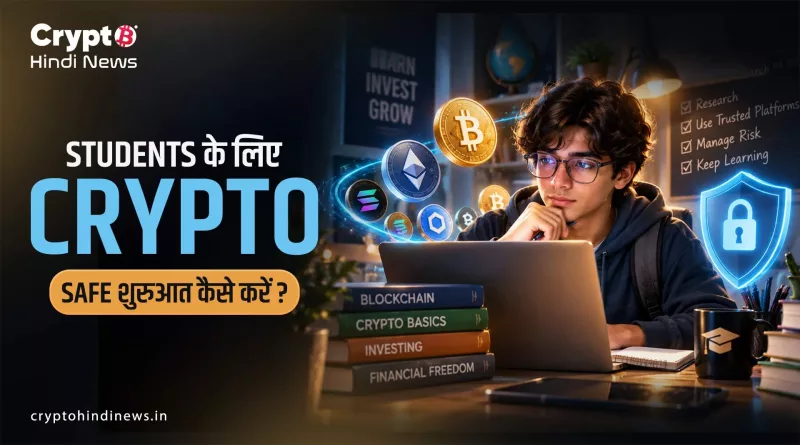
Student Crypto कैसे शुरू करें, यह उन students के लिए important सवाल है जो पढ़ाई के साथ Crypto, Blockchain और Web3 समझना चाहते हैं। Student life में crypto शुरू करने का पहला लक्ष्य तुरंत profit कमाना नहीं, बल्कि technology, security, risk और basic processes समझना होना चाहिए।
College fees, living expenses, emergency money या borrowed money को crypto risk में डालने से बचें।
एक simple framework याद रखें:
Learn → Research → Start Small → Secure → Record → Review
Student के लिए Crypto क्या है?
Crypto एक broad category है जिसमें Blockchain या दूसरी Digital Ledger Technology पर आधारित digital assets शामिल हो सकते हैं। Bitcoin और Ethereum इसके popular examples हैं, जबकि हजारों अलग-अलग tokens भी मौजूद हैं।
हर crypto asset का technology, purpose, token utility, liquidity और risk अलग हो सकता है। इसलिए केवल price बढ़ने के आधार पर किसी coin या token को खरीदना उचित नहीं है।
शुरुआत में ये concepts समझें:
Crypto और Blockchain
Coin और Token
Exchange और Wallet
Private Key और Seed Phrase
Market Cap और Liquidity
Transaction/Gas Fee
Volatility और Loss Risk
पहला लक्ष्य investment नहीं, understanding होना चाहिए।
Student Crypto कैसे शुरू करें? 6-Step Roadmap
1. Crypto Basics सीखें
Crypto Investment for Beginners में सबसे common mistake केवल price देखकर coin खरीदना है।
पहले Bitcoin, Ethereum, Blockchain, Token, Market Cap, Liquidity, Wallet, Exchange, Private Key और Seed Phrase जैसे basic concepts समझें।
सरल भाषा में, Coin आमतौर पर अपनी blockchain का native asset होता है, जबकि Token किसी existing blockchain पर बनाया जा सकता है।
2. Crypto Exchange और Platform चुनें
Student crypto investment शुरू करते समय किसी platform को केवल popularity देखकर select न करें।
इन चीजों को check करें:
KYC और account security
Deposit/withdrawal process
Trading और withdrawal fees
Available assets
Customer support
Regulatory और compliance information
भारत में VDA-related services देने वाली entities के लिए FIU-IND का AML/CFT और Reporting Entity framework relevant है। इसलिए किसी platform की current availability और compliance status खुद verify करें।
Platform का compliant होना investment safety या profit की guarantee नहीं है।
3. छोटी और Affordable राशि से शुरुआत करें
अगर आप पहली बार Crypto में पैसे लगाना चाहते हैं, तो बड़ी राशि से शुरुआत करने की जरूरत नहीं है।
पहली transaction का उद्देश्य profit के बजाय process समझना हो सकता है:
Crypto buy/sell कैसे होता है?
Fees कहाँ दिखाई देती है?
Withdrawal कैसे होता है?
Wallet address क्या है?
Blockchain transaction कैसे verify करें?
College fees, rent, emergency savings, education loan या borrowed money को crypto में न लगाएँ।
Crypto Wallet और Self-Custody समझें
Crypto Wallet blockchain assets से संबंधित keys और transactions को manage करने का माध्यम है। Self-custody में private keys की जिम्मेदारी user के पास होती है।
Wallet Security Rules
Seed Phrase और Private Key कभी share न करें।
Seed Phrase का screenshot न रखें।
Unknown links पर wallet connect न करें।
Transaction approval से पहले details पढ़ें।
Address और network carefully verify करें।
Suspicious smart contracts approve न करें।
Self-Custody का मतलब control के साथ responsibility भी है।
Exchange और Wallet में अंतर
Crypto Wallet में पहली Transfer कैसे करें?
अगर आप Crypto Wallet में पैसे कैसे भेजें सीखना चाहते हैं, तो पहली बार small test transaction useful हो सकती है।
इस sequence को verify करें:
Source → Destination → Asset → Network → Address → Amount → Fee
उदाहरण:
Exchange → Personal Wallet → ETH → Ethereum Network → Correct Address → Small Amount
गलत address या network से funds loss हो सकते हैं। इसलिए बड़ी transaction से पहले small withdrawal test करें।
Withdrawal Test में क्या देखें?
Withdrawal process
Wallet address
Network selection
Transaction fee
Blockchain confirmation
Transaction hash
Student को Crypto में कितना निवेश करना चाहिए?
Student को Crypto में कितना निवेश करना चाहिए, इसका कोई universal percentage नहीं है। यह आपकी income, savings, financial goals और risk capacity पर निर्भर करता है।
Crypto में केवल वही पैसा लगाएँ जिसकी loss होने पर आपकी जरूरी financial needs प्रभावित न हों।
Student Crypto Investment को affordable risk की तरह देखें, guaranteed income की तरह नहीं।
Crypto Trading for Students: क्या Trading शुरू करनी चाहिए?
Crypto trading for students attractive लग सकती है क्योंकि market 24/7 चलता है और prices तेजी से बदल सकती हैं।
लेकिन trading में:
Volatility और loss risk होता है।
Fees और slippage returns को प्रभावित कर सकते हैं।
लगातार market monitoring की जरूरत हो सकती है।
Emotional decisions का risk रहता है।
Leverage losses को तेजी से बढ़ा सकता है।
Futures और Leverage Trading beginners के लिए खास तौर पर high-risk हो सकती है।
Crypto trading को Easy Money न समझें।
Students को Crypto Scams से कैसे बचें?
Beginners को guaranteed income और जल्दी profit वाले offers से सावधान रहना चाहिए।
Common Crypto Scams
Task/Part-Time Scam: “रोज ₹1,500 कमाएँ” जैसे offers में पहले deposit मांगा जा सकता है।
Fake Investment Scheme: Fixed या guaranteed crypto return का दावा।
Fake Airdrop: Free tokens के नाम पर suspicious website या wallet connection।
Fake Support: Seed Phrase, Private Key, OTP या Password मांगना।
Withdrawal Scam: Withdrawal unlock करने के लिए Tax, Security Deposit या Verification Fee मांगना।
इन signals को red flag मानें:
Guaranteed Return
“पैसा दोगुना” करने का दावा
पहले deposit की मांग
Withdrawal के लिए extra payment
Seed Phrase/Private Key की मांग
Unknown wallet connection
Suspicious website
Referral के लिए pressure
“पहले पैसा भेजो, फिर पैसा मिलेगा” एक बड़ा red flag है।
पढ़ाई और Crypto का Balance
Student life में education और skills को priority दें।
Crypto prices check करने का fixed time रखें।
Unnecessary notifications बंद करें।
Exams के दौरान नए investment decisions avoid करें।
हर price movement पर reaction न दें।
Trading को studies से ऊपर न रखें।
Opportunity Cost भी समझें। Market को लगातार देखने में लगाया गया समय programming, research, communication या किसी career skill में लगाया जा सकता है।
Crypto से Career कैसे बनाएं?
अगर आपका interest Crypto में है, तो केवल trading पर focus करने के बजाय Web3 skills develop करना बेहतर long-term path हो सकता है।
आप explore कर सकते हैं:
Blockchain Development
Web3 Development
Smart Contracts
Crypto Research
Data Analysis
Blockchain Security
Smart Contract Auditing
Crypto Content Writing
Community Management
एक possible path:
Blockchain Basics → Skill → Projects → Portfolio → Internship/Freelance → Web3 Career
Crypto में कमाई का मतलब केवल trading profit नहीं है। Technology, research और content skills भी career opportunities दे सकती हैं।
Crypto सीखने के लिए Investment जरूरी नहीं है
Crypto समझने के लिए तुरंत पैसा लगाना जरूरी नहीं है।
Beginner पहले:
Blockchain documentation पढ़ सकता है।
Blockchain explorers देख सकता है।
Wallet concepts सीख सकता है।
Tokenomics research कर सकता है।
Test environments explore कर सकता है।
Web3 projects बना सकता है।
इससे पहले technology समझी जा सकती है और बाद में तय किया जा सकता है कि investment करना है या नहीं।
Crypto Records क्यों रखें?
छोटी transaction से ही records रखना शुरू करें।
Records से portfolio tracking, transaction history और tax documentation आसान हो सकती है।
Crypto Tax Folder में रखें:
Exchange statements
Buy/Sell history
Deposit/Withdrawal records
Wallet transactions
Transaction hashes
Fees
TDS information
Airdrop/Reward records
Staking-related records
Student Crypto Tax India: क्या ध्यान रखें?
भारत में VDA से जुड़े tax rules को समझना जरूरी है। Income Tax Department की guidance के अनुसार VDA से संबंधित gains पर 30% tax framework, applicable surcharge और 4% cess लागू हो सकता है। ITR-2 और ITR-3 में VDA transactions के लिए Schedule VDA से संबंधित reporting information भी दी गई है।
Tax rules समय के साथ बदल सकते हैं, इसलिए filing के समय latest Income Tax Department guidance check करें। Complex transactions के लिए qualified Tax Professional/CA से सलाह लेना उचित है।
ध्यान रखें कि record रखना और tax treatment एक ही बात नहीं है।
Student Crypto Investment में किन गलतियों से बचें?
बिना research के coin खरीदना
Borrowed money से investment करना
एक ही asset में बहुत ज्यादा concentration
शुरुआत में Futures/Leverage लेना
Seed Phrase या Private Key share करना
Fake Airdrop पर भरोसा करना
Transaction records न रखना
“100x” या “Next Bitcoin” claims पर भरोसा करना
Student Crypto Safety Checklist
Crypto शुरू करने से पहले पूछें:
क्या मुझे Blockchain basics पता हैं?
क्या मुझे Exchange और Wallet का अंतर पता है?
क्या मैंने platform verify किया है?
क्या 2FA enabled है?
क्या मैं affordable money इस्तेमाल कर रहा हूँ?
क्या मुझे asset और network की जानकारी है?
क्या मैंने small transfer test किया है?
क्या Seed Phrase सुरक्षित है?
क्या मैं transaction records रख रहा हूँ?
क्या मुझे common scams के red flags पता हैं?
अगर कई answers “नहीं” हैं, तो investment amount बढ़ाने की जल्दी न करें।
पहले साल में Student को क्या सीखना चाहिए?
पहले साल को Profit Year के बजाय Learning Year मानना ज्यादा practical हो सकता है।
Focus करें:
1. Crypto और Blockchain Basics
Technology, assets और transactions समझें।
2. Security
Wallet, Self-Custody, Private Keys और Seed Phrase सीखें।
3. Project Research
Utility, Tokenomics, Liquidity, Technology और Risk को evaluate करना सीखें।
4. Records और Risk Management
Transactions व्यवस्थित रखें और financial risk समझें।
इसके बाद तय करें कि Crypto आपके लिए Investment, Career, Technology Interest या इनका combination है।
Online Crypto Fraud होने पर क्या करें?
अगर आप financial fraud के शिकार होते हैं, तो जल्दी action लें।
भारत के National Cyber Crime Reporting Portal पर complaint की जा सकती है और financial fraud के लिए 1930 Cyber Crime Helpline उपलब्ध है।
National Cyber Crime Reporting Portal
Fraud होने पर screenshots, transaction records, wallet addresses, transaction hashes और communication details सुरक्षित रखें और relevant platform/authorities को जल्द report करें।
Student Crypto Guide: Official Resources
Income Tax Department
VDA taxation और ITR reporting के लिए:
Income Tax Department — ITR-2 / VDA Guidance
FIU-IND
VDA Service Providers और AML/CFT framework के लिए:
Financial Intelligence Unit — India
निष्कर्ष: Student को Crypto कैसे शुरू करना चाहिए?
Student Crypto Investment का पहला लक्ष्य तुरंत profit नहीं, बल्कि Crypto को समझना और सुरक्षित तरीके से सीखना होना चाहिए।
अगर आप पूछ रहे हैं कि Student crypto कैसे शुरू करें, तो simple framework है:
Learn → Research → Start Small → Secure → Record → Review
पहले Blockchain और Crypto basics सीखें। फिर project research, wallet security और transaction verification समझें। अगर आपकी financial situation अनुमति देती है, तो केवल affordable amount से शुरुआत करें और records रखें।
Trading को Easy Money न समझें। अगर Crypto में genuine interest है, तो Blockchain Development, Web3, Research, Data Analysis, Security और Content जैसी skills पर भी ध्यान दें।
Learn first. Invest small. Stay secure. Keep records. Build skills.
यह भी पढ़ें
शब्दावली
- Wallet – क्रिप्टो रखने और भेजने-पाने का सॉफ्टवेयर/हार्डवेयर; असल में यह आपकी private key संभालता है।
- Private Key – गुप्त कोड जिससे वॉलेट के फंड नियंत्रित होते हैं; इसे किसी से साझा नहीं करना चाहिए।
- Seed Phrase – 12–24 शब्दों का सेट जिससे वॉलेट दोबारा रिकवर किया जा सकता है।
- KYC – Know Your Customer – पहचान सत्यापन की प्रक्रिया, जो रेगुलेटेड एक्सचेंज पर जरूरी है।
- Market Cap – कुल सर्कुलेटिंग सप्लाई × मौजूदा कीमत; इससे किसी कॉइन का कुल मूल्य पता चलता है।
- Tokenomics – टोकन की सप्लाई, वितरण, अनलॉक और उपयोग से जुड़ा आर्थिक ढांचा।
Disclaimer
यह लेख केवल सामान्य जानकारी और educational purposes के लिए है। इसे Investment, Financial, Tax या Legal Advice न माना जाए। यह किसी Coin, Token, Exchange, Wallet या Platform की recommendation नहीं है।
Crypto Assets highly volatile और risky हो सकते हैं और investment का कुछ या पूरा value कम हो सकता है। किसी भी decision से पहले अपनी financial situation, risk capacity और independent research पर विचार करें।
भारत में VDA से संबंधित Tax, TDS, Reporting और ITR Rules बदल सकते हैं। Current treatment के लिए नवीनतम Income Tax Department guidance देखें।
Guaranteed Return, पक्का मुनाफा, रोज निश्चित Income या बिना Risk जैसे दावों से सावधान रहें।
Online Financial Fraud होने पर तुरंत 1930 पर संपर्क करें और National Cyber Crime Reporting Portal पर शिकायत दर्ज करें।